
How Smart Technology is Revolutionizing Workplace Safety
Share
Emergencies happen without warning, and even the best safety plans can fall short. The stakes are high, but smart technology is changing how businesses manage safety. By automating inspections, ensuring real-time monitoring, and boosting accountability, these tools help businesses stay ahead of risks. In this article, we’ll show you how innovations are revolutionizing workplace safety and how smart solutions can help you safeguard your team while staying compliant.
What is Smart Technology in Workplace Safety?
"Smart technology in workplace safety" refers to digital tools and systems that automate safety management, reduce manual tasks, and improve decision-making using real-time data. By integrating devices, apps, and software into safety programs, businesses gain better oversight and control of their safety processes.
Examples of Smart Technology in Safety
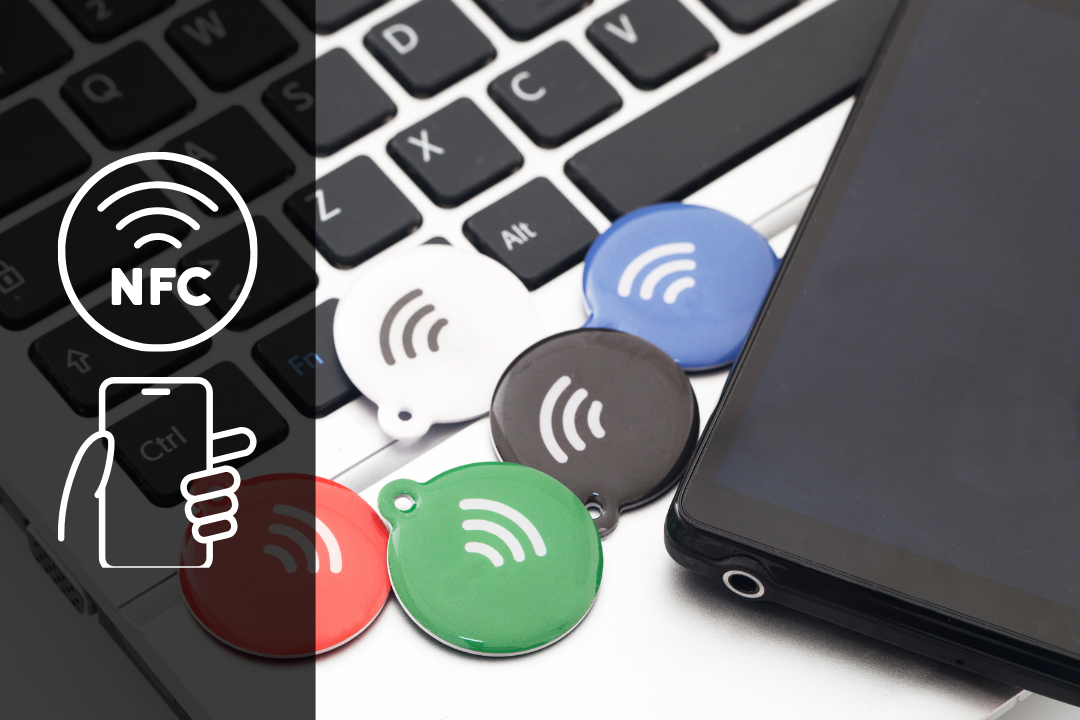
1. NFC Inspection Solutions: Near Field Communication (NFC) allows users to complete inspections by tapping a mobile device against an NFC-enabled tag. This method eliminates paper forms, ensuring accurate data collection. NFC Technology also ensures proximity; QR codes and barcodes can easily be photographed, printed out, or scanned from an office desk. NFC requires physical proximity (1–2 inches), which provides safety directors and OSHA auditors with verifiable proof of physical presence.
2. Mobile Safety Management Apps: Mobile apps centralize safety tasks like first aid kit checks, incident reporting, and supply tracking/reordering.
3. IoT Devices: Internet of Things (IoT) sensors on safety equipment can detect issues like wear and tear or malfunction, sending alerts before failures occur.
How It Works
Smart technology simplifies safety processes by:
- Collecting real-time data during inspections and monitoring.
- Storing and analyzing data in a centralized system for better visibility.
- Sending alerts and notifications when safety tasks, such as equipment checks, are overdue or when supplies are low.
Now that we’ve covered what smart technology is and how it works, let’s look at why it’s become such a critical part of modern workplace safety programs.
Why Smart Technology is Critical for Workplace Safety
Smart technology isn’t just about convenience, it plays a vital role in solving some of the biggest safety challenges businesses face today.
1. Improving Compliance
Regulatory compliance is a top concern for industries governed by agencies like OSHA. Smart technology ensures businesses stay compliant by automating inspection schedules, maintaining accurate records, and providing real-time data on safety conditions. By streamlining compliance management, businesses can focus more on employee well-being and less on administrative headaches.
2. Boosting Efficiency
Managing safety manually involves time-consuming paperwork, frequent audits, and the risk of human error. Smart technology reduces this burden by automating routine tasks and offering instant access to safety data. For example, mobile apps can cut inspection times in half by providing pre-set checklists and real-time updates. In high-risk industries like construction and manufacturing, where efficiency and safety go hand in hand, automation can prevent delays and reduce operational downtime caused by compliance failures. In addition, many current safety systems rely on paper-based reporting methods (like fire extinguishers and eyewash stations). Why do traditional paper tags on fire extinguishers and eyewash stations fail? Ink smears from moisture, tags get torn off, and safety officers are forced to spend hours physically walking facilities just to verify whether an inspection was done. With NFC you can gain real-time access to ascertain if these safety assets have been inspected, as opposed to having to physically walk around to monitor the inspection documentation (like written cards/tags).
3. Enhancing Accountability
With real-time tracking, there’s no ambiguity about whether critical safety tasks have been completed. Automated systems create digital records for every inspection, supply check, or incident report, making it easier for management to audit performance. Imagine AEDs spread across multiple sites—tracking them manually can result in overlooked inspections or expired batteries. With automated AED tracking, like the system offered by FC Safety, businesses receive reminders when devices need attention, ensuring they’re always ready to save lives.
4. Saving Money
In a recent case study, switching from route-based van vendors to the Safety Shield and SmartCompliance Cabinets from FC Safety, a large municipality was able to cut costs by more than 50%, Conducting an internal NFC scan takes roughly 30 seconds, eliminating costly vendor stop fees while keeping compliance data centralized.
With a clearer understanding of how smart technology can improve safety and compliance, it’s time to see how FC Safety’s solutions can help businesses put these advancements into practice.
How FC Safety Can Help
FC Safety offers tech-enabled safety solutions designed to help businesses improve compliance, increase efficiency, and enhance workplace safety. Here’s how we can support your safety efforts:
- NFC Inspection Solutions: Our NFC-enabled inspection tools streamline safety checks by automating data collection and record-keeping. You can track inspections in real-time, reduce paperwork, and stay audit-ready.
- Smart Compliance Mobile App: Our app simplifies first aid kit inspections by providing automated reminders, real-time inventory tracking, and centralized data management.
- Training Services: We offer OSHA-compliant CPR, AED, and first aid training certified by the American Red Cross. Both virtual and on-site options are available to fit your business needs.
With FC Safety’s smart solutions, you can bring your safety program into the future while staying compliant and prepared for any emergency. Don’t wait, reach out today to learn how we can help you create a safer, smarter workplace.
Frequently Asked Questions
What is smart technology in workplace safety?
Smart workplace safety technology encompasses digital tools—such as NFC inspection tags, mobile compliance applications, and IoT sensors—that automate inspections, track safety inventory, and record real-time compliance data without manual paperwork.
Why are NFC tags superior to QR codes and barcodes for safety inspections?
NFC tags require physical proximity within 1 to 2 inches of a smartphone to record an inspection, proving the technician was physically standing in front of the equipment. In contrast, QR codes and barcodes can be photographed, emailed, or scanned remotely from a desk, enabling falsified or "pencil-whipped" records.
How does digital inspection technology improve OSHA compliance?
Digital systems automate scheduled audit alerts, guide staff through standardized OSHA inspection questions, track supply expirations, and compile tamper-proof, timestamped digital logs that satisfy regulatory safety audits.
What safety equipment benefits most from NFC inspection tracking?
Any equipment requiring regular regulatory verification benefits from NFC tracking, including automated external defibrillators (AEDs), emergency eyewash stations, fire extinguishers, first aid cabinets, and chemical spill response kits.
How does mobile safety tracking save organizations time and money?
Mobile safety tracking cuts inspection times by roughly 50% through pre-set digital checklists, eliminates manual data entry, provides real-time multi-site visibility, and prevents expensive third-party vendor stop fees by enabling internal teams to manage compliance.